
Augmented reality in web design: how to create experiences that convert in 2026
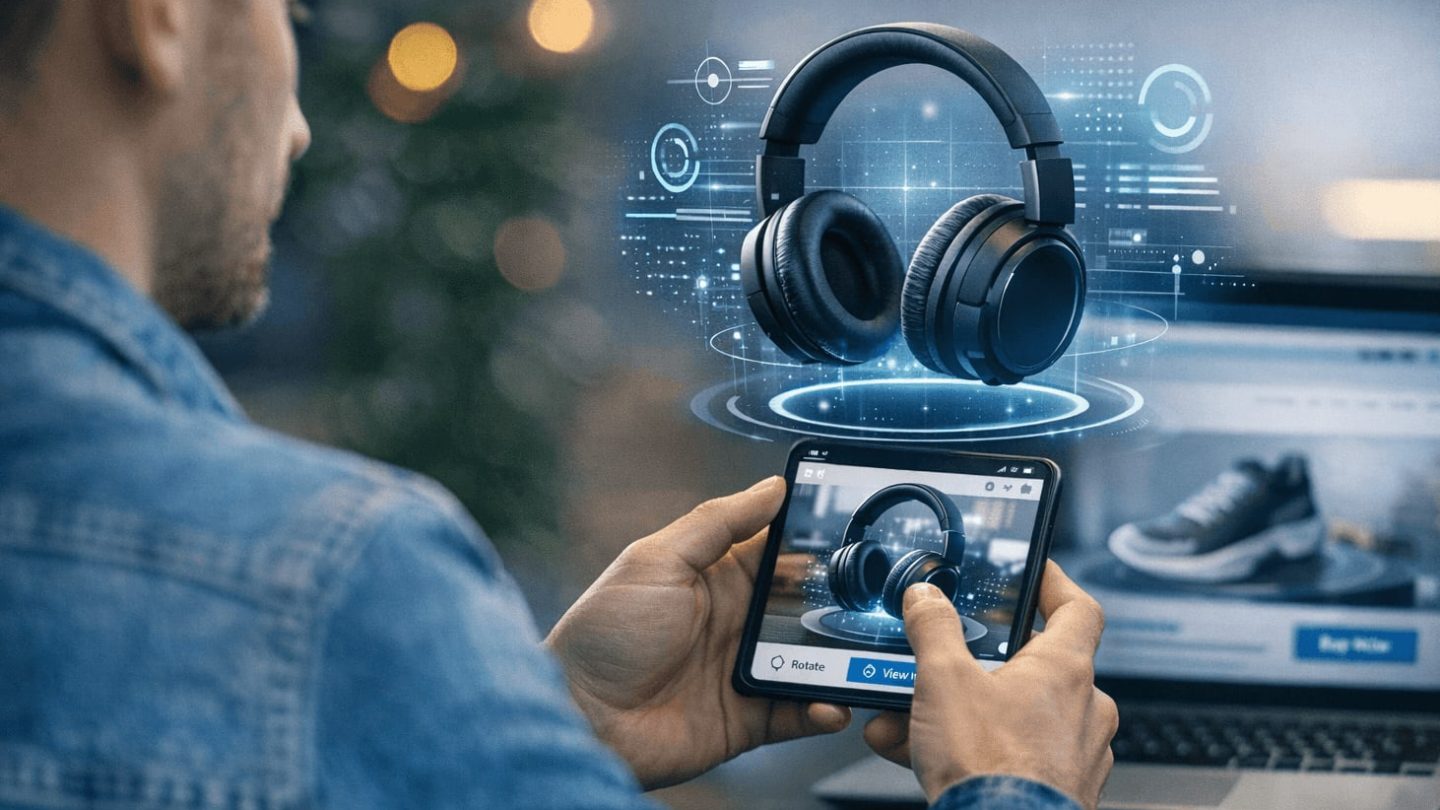
In 2026, web design is no longer just visual; it is about experience. Leading brands don’t simply inform: they engage, make an impression and convert. Against this backdrop, augmented reality (AR) in web design is becoming an increasingly useful tool for improving the user experience and supporting the decision to buy.
AR lets you show products, spaces or services interactively, straight from the browser and without separate apps. The result is an immersive experience that answers questions, builds trust and can help reduce the barriers to conversion.
In this guide you’ll find out what AR in web design is, when it makes sense to use it, its real benefits and how it fits into a professional digital strategy, as we explain in our article “Professional web design: the key to making your business stand out and sell more in 2026”.
What augmented reality means for web design
AR in web design means layering interactive digital elements (3D models, animations, information overlays) onto the user’s real surroundings, via a phone, tablet or web browser.
Unlike virtual reality, AR doesn’t isolate users from their surroundings; it enhances what they already see:
- Viewing products in 3D
- Exploring spaces or details
- Interacting with products before purchase
- Understanding complex services clearly
👉 In web design, AR is a strategic tool, not a visual effect.
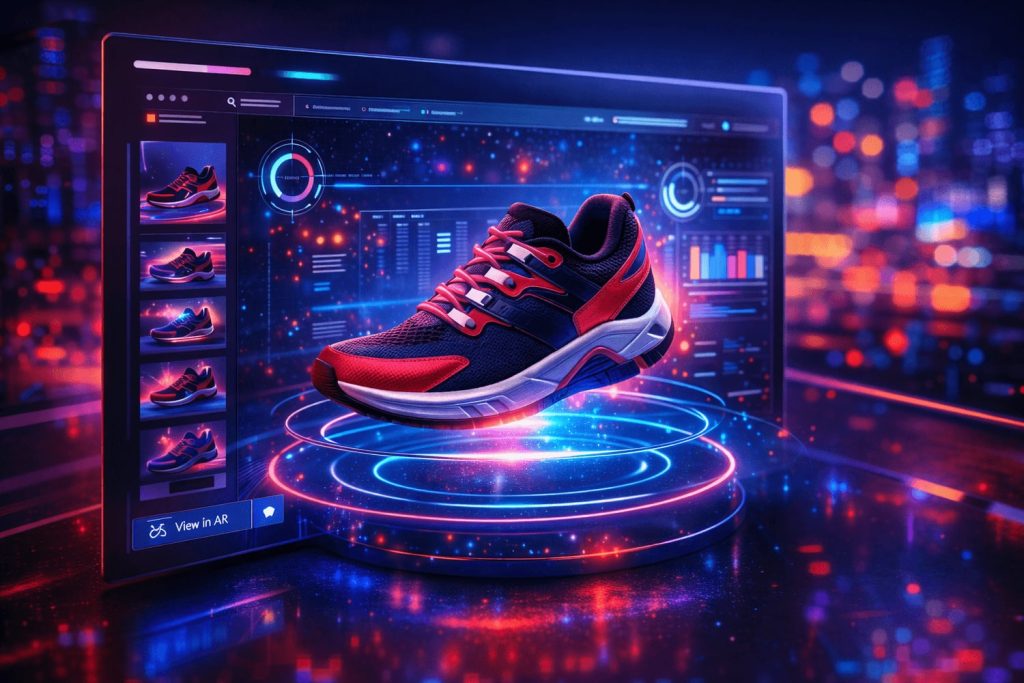
Why augmented reality makes a difference in 2026
User attention is increasingly limited, and a traditional website has only moments to capture it. AR offers an immediate point of difference. It can help to deliver:
- Longer time on site
- Less friction when deciding
- A more innovative brand image
- Higher conversion rates
- Fewer returns and repetitive enquiries
A well-designed immersive experience supports the buying decision without adding pressure.
When augmented reality makes sense on a website
Not every project needs AR. It works when it adds clarity, builds trust and supports conversion:
- E-commerce with physical products
- Local businesses with physical premises
- Complex or high-value services
- Competitive sectors that need to stand out
👉 The key is not simply to use AR, but to use it judiciously within a solid structure, as we explain in “Modern web design: the keys to winning and converting customers”.
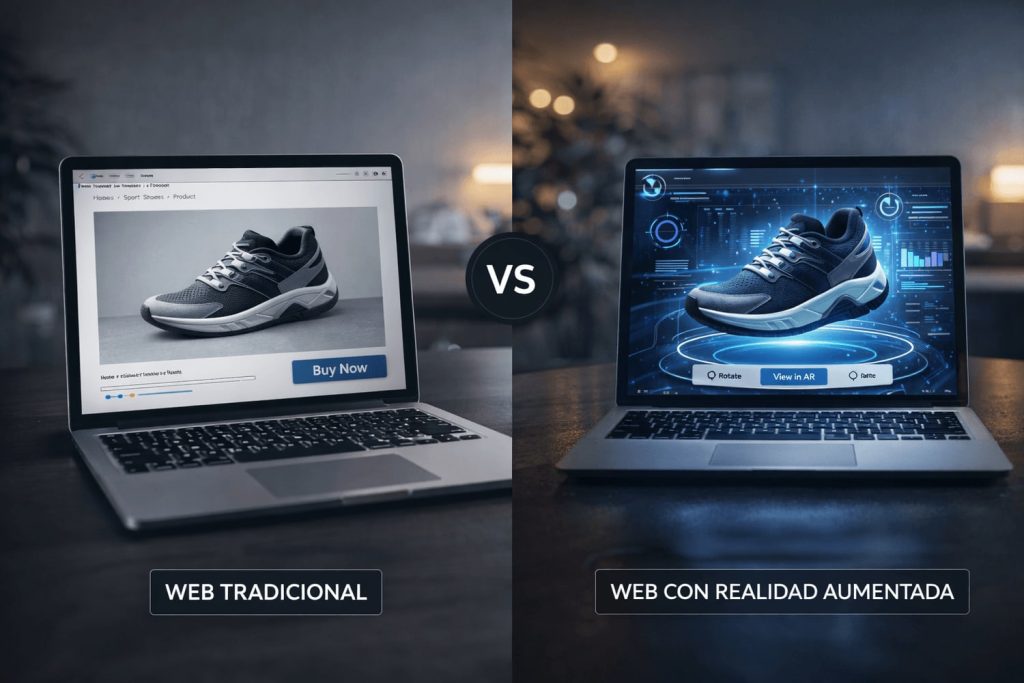
Real benefits for your business
Used well, AR in web design can bring practical benefits:
- More trust: users understand what they’re buying
- Less friction: fewer doubts and an easier path to a decision
- Higher conversion: experiences that lead to action
- A more premium brand image: a brand seen as forward-thinking
- A competitive edge: a clear point of difference when it’s done well
Practical examples by type of business
E-commerce
3D product views, virtual try-ons and close-up detail → potentially fewer returns and a clearer route to purchase.
Local businesses
Visual tours of clinics, centres or premises → can help build confidence before a visit.
Service businesses
Visual explanations of processes and results → can help prospects understand the service before they enquire.
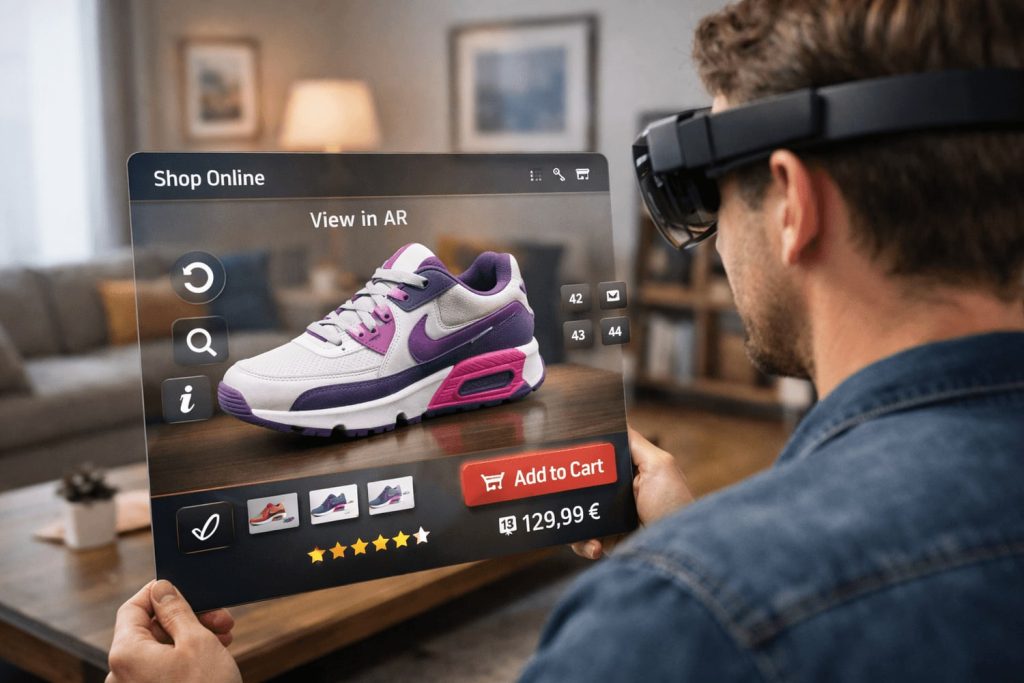
How augmented reality fits into a professional web strategy
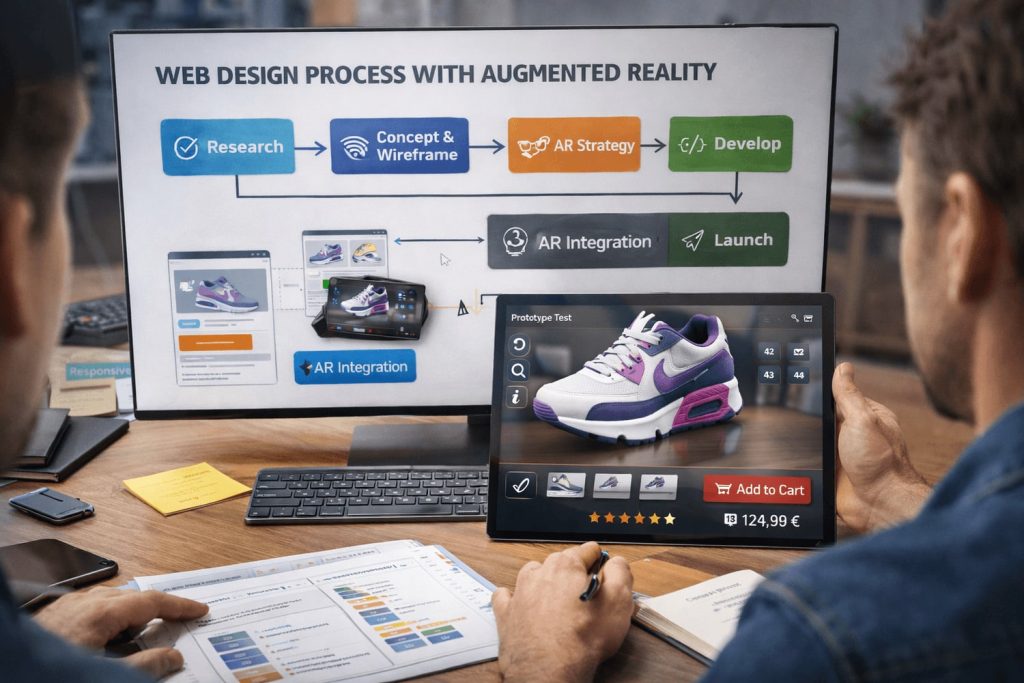
AR isn’t added at random. It’s part of a clear process:
- An initial strategic analysis
- An assessment of whether it suits the business
- Design focused on conversion and UX
- Technical integration designed to minimise any impact on speed or SEO, as we explain in our guide “SEO: how to rank on Google and outperform your competitors”
- Gradual, scalable implementation
👉 The aim is to convert, not to impress.
Augmented reality trends in web design
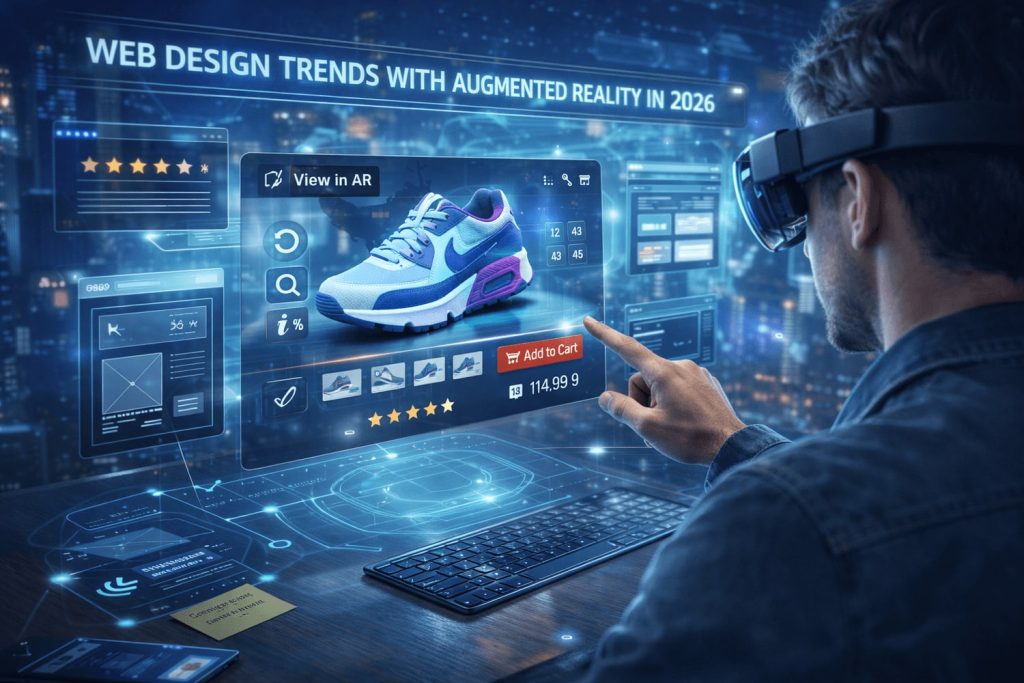
In 2026, web-based AR is moving towards:
- Experiences that need no separate app
- Integration with artificial intelligence
- Lightweight, fast-loading 3D elements
- Personalisation based on behaviour
- Full mobile optimisation
Common mistakes when using augmented reality
- Using it purely as a visual effect
- Overloading the website
- Not optimising for mobile
- Not measuring results
- Not building it into the conversion strategy
👉 Used well, AR can improve results; used poorly, it can hinder them.
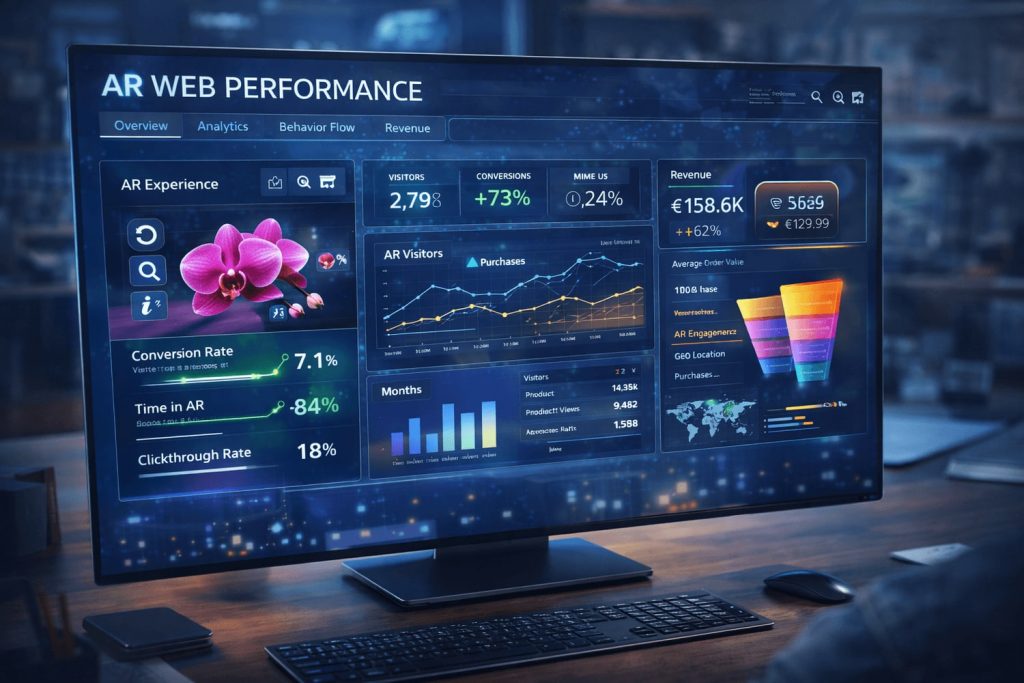
Key metrics for measuring results
- Time on site
- Conversion rate
- AR interactions
- Reduction in customer uncertainty
- Impact on sales or leads
Frequently asked questions
Does augmented reality affect SEO?
Not necessarily. With careful implementation and optimisation, any impact can be kept to a minimum.
Does every business need it?
No. It’s a strategic tool, not a requirement.
Can it be introduced in stages?
Yes, and a phased approach is often the most sensible.
Does it work on mobile?
Yes. Mobile is often where it makes the biggest difference.
Conclusion
In 2026, web design competes on experience, not just appearance.
Augmented reality helps you build websites that explain more clearly, build trust and convert better.
At SEOWebfy we create modern, strategic web experiences built around results.
If you’d like to know whether augmented reality makes sense for your business, request an initial consultation and start differentiating your business where your customers make their decisions.